

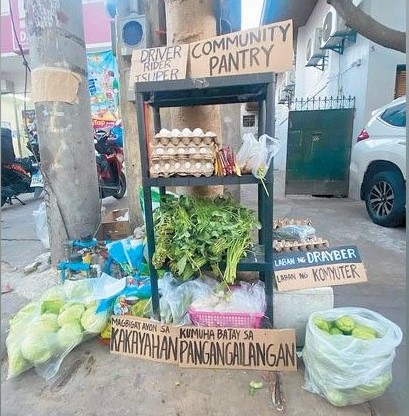
Philippine cooperatives are grappling with the economic ripple effects of the Middle East war, as surging oil prices, disrupted shipping routes, and returning overseas workers strain their operations and threaten community livelihoods.
President Ferdinand R. Marcos Jr. has directed local government units to tap the Local Government Support Fund (LGSF) to cushion families of overseas Filipino workers (OFWs) affected by the crisis. “Local chief executives must use the LGSF to ease the burden on vulnerable sectors,” Marcos said, emphasizing that financial aid and emergency programs should reach communities impacted by the conflict.
The war has disrupted oil shipments through the Strait of Hormuz, a vital passage for global energy supply. Malacañang officials acknowledged the strain on Philippine households, noting that the government moved swiftly to mitigate the impact. “The Philippines is one of the countries greatly affected by the ongoing war,” said Press Officer Undersecretary Claire Castro, citing the sharp rise in fuel costs and its cascading effects on transport and food prices.
Business groups have echoed these concerns. The Federation of Philippine Industries (FPI) warned that escalating tensions could worsen domestic inflation. “The Middle East crisis is not just a distant conflict—it is an inflationary shock that could affect Philippine households and industries if tensions persist,” said FPI Chairperson Elizabeth Lee.
For cooperatives, the challenges are acute. Transport cooperatives face higher daily operating costs, while agricultural cooperatives struggle with increased expenses for irrigation, fertilizer, and logistics. Export-oriented cooperatives, particularly in handicrafts and food processing, are hit by rising freight charges and unstable shipping routes, forcing many to pivot toward domestic markets.
The social impact is equally pressing. With thousands of OFWs repatriated from the Middle East, cooperative networks are mobilizing solidarity funds to provide emergency assistance. Cooperative federations admit, however, that resources are stretched thin. Leaders are calling for subsidies, fuel relief, and credit support to sustain operations, arguing that cooperatives play a vital role in stabilizing communities during crises.
Despite the strain, some cooperatives are exploring adaptive strategies. Agricultural groups are experimenting with renewable energy solutions, such as solar-powered irrigation, to reduce dependence on costly fuel. Consumer cooperatives are pooling resources to bulk-purchase essential goods at lower prices, while others are strengthening partnerships with local governments to deliver relief programs more efficiently.
Still, the outlook remains uncertain. Prolonged conflict could force smaller cooperatives to shut down, leaving vulnerable communities without crucial support. Cooperative leaders warn that without decisive government intervention, the sector’s ability to shield members from economic shocks will be severely compromised.
For now, Philippine cooperatives continue to balance survival with solidarity, striving to uphold their mission of mutual aid in the face of global turmoil.





Leave a Reply