


MANILA, Philippines — Philippine Media Network Service Cooperative (PMNSC) Chairman and Climate Change Task Force (CCTF) Commandant Ret. BGen. Gerardo ‘Gerry’ Zamudio Jr. PAF highlighted the urgent need to address the compounding effects of climate change on Filipino workers during a special guest appearance on the public service program Juan Trabaho on Tuesday, September 8, 2026.
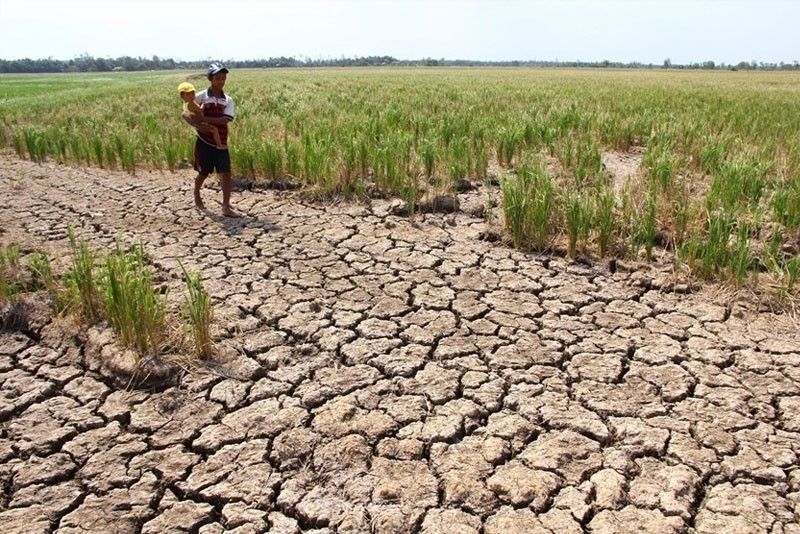
Speaking during his segment, BGen. Zamudio emphasized how increasingly unstable weather patterns across the country are disrupting daily operations and directly impacting local labor forces. Addressing the immediate real-world consequences of rising global temperatures, he pointed out that extreme heat (tag-init) has severely affected productivity and occupational safety, noting that construction workers and outdoor laborers are struggling to endure more than four hours of direct sun exposure during extreme heat waves, posing a massive challenge to both health and economic productivity in the Philippines.
To combat these challenges, BGen. Zamudio discussed the establishment and ongoing mission of the CCTF, which was formed in alignment with the vision of Climate Change Commission (CCC) Commissioner Albert Dela Cruz. Operating as a civil-society partner, the task force actively enforces environmental laws and supports the nation’s commitments under the Paris Agreement toward achieving net-zero carbon emissions.
Having already established Regional Directors nationwide, the task force aims to extend its organizational footprint down to the local barangay level by the end of 2026 to strengthen grassroots partnerships with the national government. Recruits undergo systematic orientations and continuous education on practical environmental stewardship, including tree-planting strategies, reforestation efforts, and protecting areas vulnerable to deforestation.
“Kapag mataas ang kaalaman ng ating mga miyembro, matututo silang magtanim ng mga punongkahoy, understand our obligation toward reforestation initiatives, and actively safeguard our forests from deforestation.,” BGen. Zamudio emphasized, highlighting the critical role of community education.
The organization also actively promotes renewable energy sources—such as solar, hydro, wind, and geothermal power—along with the electrification of the public and private transportation sectors. Furthermore, collaborating with a diverse group of scientists, doctors, academics, and inventors, the CCTF champions green innovations, including local technologies that repurpose used cooking oil into usable diesel fuel.
Addressing the frequent problem of severe flooding, BGen. Zamudio urged a pivot toward natural, ecological solutions rather than relying strictly on heavy artificial infrastructure. Citing Lipa City—which sits approximately 1,220 feet above sea level—as an example of how topographically elevated areas can still face severe flooding, he advocated for restoring natural creeks and waterways, stating that the CCTF intends to work alongside local government units (LGUs) and national agencies to secure funding to revive degraded natural drainage systems.
Closing his segment, BGen. Zamudio called on all citizens to take an active role in environmental advocacy. Individuals interested in joining the Climate Change Task Force are encouraged to reach out to their respective regional representatives or connect with them through the official CCTF Facebook page, where new volunteers complete a two-hour orientation and receive continuous educational modules.
Additionally, the CCTF is advocating for integrated environmental education through National Service Training Program (NSTP) channels for students, as well as specialized training modules for TESDA scholars, ensuring that sustainable practices and forest conservation become fundamental components of nationwide education.



Leave a Reply