

Forecasters say the climate event will peak between October and December, with its worst effects on food, water and power lingering into 2027
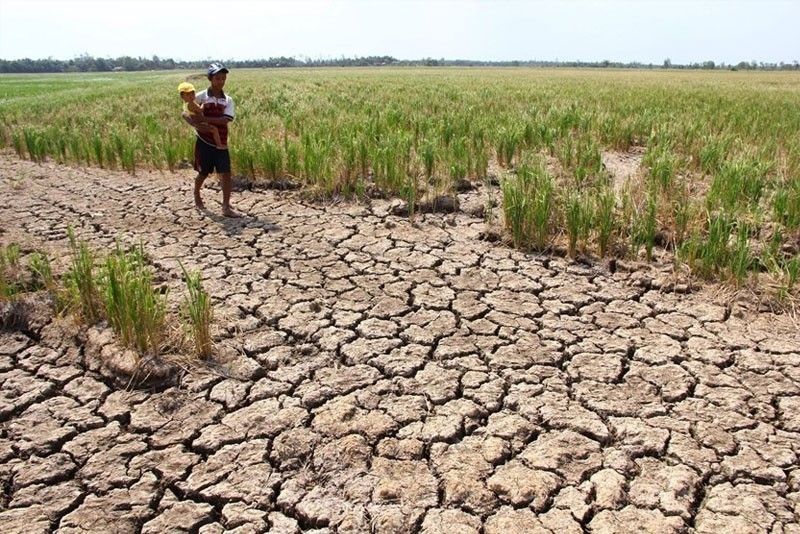
A very strong El Niño, now being called a Super El Niño, is intensifying in the tropical Pacific. The Philippines and the rest of Southeast Asia are bracing for extreme heat, drought and strain on food, water and power supplies from late 2026 into mid-2027. DOST-PAGASA and regional meteorologists say the event is on track to peak by December, with its most damaging effects lingering well into next year.
Sea surface temperatures are tracking significantly above average. Data from the University of Chicago’s Climate Impact Lab project land temperatures averaging 1.2°C above normal in the coming months. By the dry season peak of March to May 2027, heat indices in parts of the Philippines could reach 52°C to 55°C. A study published in late September estimates 6,500 additional heat-related deaths in the Philippines and more than 19,400 excess deaths across the region, including Vietnam, Thailand, Cambodia and Indonesia.
Farmers may feel it first. The Department of Agriculture warns that a severe drought could deplete grain reserves. Rainfall could fall 40 to 60 percent short in Luzon and the Visayas and as much as 80 percent in Mindanao, potentially cutting national palay production by up to 700,000 metric tons. Thailand and Vietnam face disruptions that threaten global rice supply chains. The Climate Change Commission and UN agencies are urging farmers to adjust planting calendars and shift from water-heavy rice to crops such as kamote, cassava and banana.
The region faces a rapid swing from monsoon floods to intense drought. PAGASA expects up to 85 provinces to see dry spells or full drought by March 2027. As reservoirs fall below minimum operating levels, hydro-dependent grids could lose capacity, with prolonged rotational brownouts expected during peak demand. Local governments and water districts are rolling out water rationing, exploring alternative filtration and deploying solar-powered irrigation pumps.
There is a paradox, too. El Niño suppresses rainfall and reduces the number of tropical cyclones entering the region, but unusually warm seas can fuel rapid intensification of late-season storms into super typhoons before landfall.
The NDRRMC stresses early household preparation. It urges families to check pipes for leaks, harvest rainwater during remaining rainy periods and cut electricity use during peak heat hours. Residents should stay hydrated, avoid outdoor activity from 10 a.m. to 4 p.m., and watch for signs of heat exhaustion, heat stroke and water-borne illness.




Leave a Reply